Sleeping well while camping is one of the biggest challenges outdoor enthusiasts face. You can have a beautiful campsite, perfect weather, and exciting plans for the next day, yet one restless night can affect your energy, mood, and overall enjoyment of the trip. Unlike sleeping at home, camping introduces unfamiliar sounds, uneven ground, temperature changes, and limited space—all of which can interfere with quality rest.
The good news is that sleeping better while camping is absolutely possible with the right preparation and mindset. Comfort in the outdoors doesn’t require luxury; it requires smart choices, thoughtful setup, and an understanding of how your body reacts to outdoor conditions. In this article, we’ll explore practical, experience-based tips to help you improve sleep quality while camping, so you can wake up refreshed and ready for adventure.
Table of Contents
Practical Tips to Improve Sleep Comfort While Camping
Sleeping well outdoors is about creating a balanced sleep system and adapting to your environment. Below are proven strategies that experienced campers rely on to achieve deeper, more restorative sleep in nature.
Create a Comfortable Sleeping Setup from the Ground Up
One of the most important factors in camping sleep comfort is what’s beneath you. The ground can be cold, uneven, and unforgiving, even in warmer seasons. A proper sleeping setup starts with insulation and cushioning.
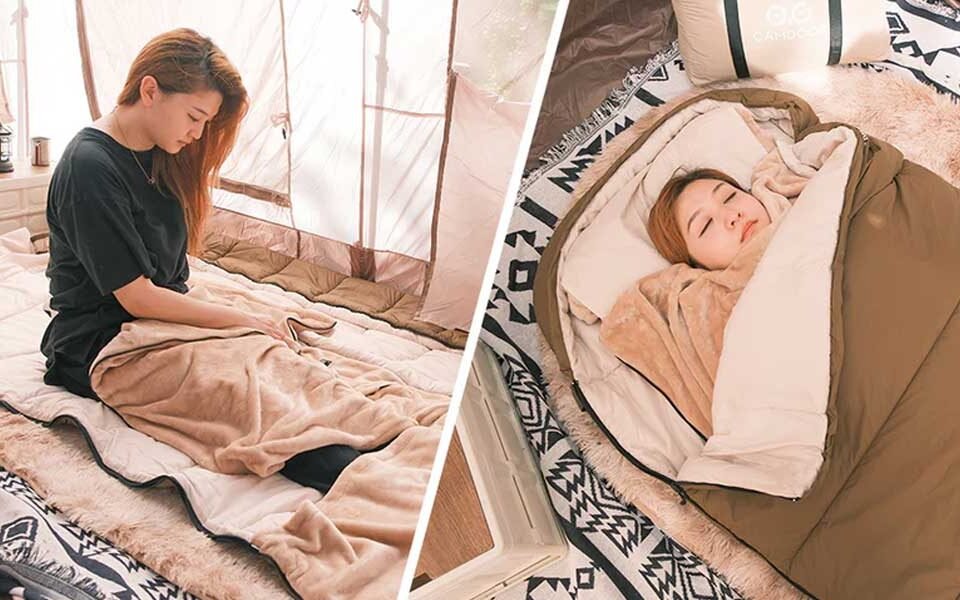
Sleeping pads play a crucial role here. They provide a buffer between your body and the ground, reducing pressure points and preventing heat loss. Inflatable sleeping pads are especially popular because they are lightweight, compact, and allow you to adjust firmness based on your preference. Foam pads, on the other hand, offer durability and consistent insulation.
Choosing the right sleeping surface can dramatically improve sleep quality, especially for side sleepers or those sensitive to hard ground.
Support Your Head and Neck Properly
Neck support is often overlooked when camping, yet it has a significant impact on sleep comfort. Sleeping without proper head support can lead to neck stiffness, headaches, and frequent tossing and turning.
Camping pillows, particularly inflatable ones, are designed to offer support without taking up much space. They allow you to adjust height and firmness, helping maintain natural neck alignment. Some campers try to use folded clothing or backpacks, but these often shift during the night and fail to provide consistent support.
A supported head and neck position promotes muscle relaxation and reduces the chances of waking up sore.
Choose the Right Sleeping Bag for the Conditions
Sleeping bags are a core part of camping comfort, but not all sleeping bags are suitable for every environment. One common mistake is choosing a bag that’s too warm or not warm enough for the expected temperatures.
A sleeping bag should help regulate body temperature, keeping you warm without overheating. In cooler conditions, proper insulation is essential. In warmer climates, breathability and ventilation become more important. Many campers prefer sleeping bags that allow partial opening or flexible ventilation, making them adaptable to temperature changes throughout the night.
Using the right sleeping bag reduces nighttime discomfort and minimizes sleep disruptions caused by feeling too hot or too cold.
Manage Temperature with Smart Layering
Temperature regulation doesn’t stop with sleeping bags. What you wear to bed while camping also matters. Instead of wearing bulky clothing, layering is the most effective approach.
Lightweight base layers help regulate body temperature and wick moisture away from the skin. Insulating layers add warmth when needed, while breathable outer layers protect against drafts. Even during summer, nighttime temperatures can drop unexpectedly, especially in mountainous or forested areas.
Changing into clean, dry sleepwear before bed also improves comfort and helps retain warmth.
Reduce Noise and Light Disruptions
Outdoor environments come with natural sounds—wind, wildlife, rustling leaves—that can disrupt sleep, especially for light sleepers. While these sounds are part of the camping experience, they don’t have to ruin your rest.
Choosing a campsite away from high-traffic areas can help minimize noise. If external sounds are unavoidable, simple strategies like controlled breathing or familiar nighttime routines can help your body relax. Soft lighting inside the tent can also reduce stress and create a calm sleeping atmosphere before bed.
Avoid using bright lights or screens just before sleeping, as they can interfere with your natural sleep cycle.
Establish a Consistent Nighttime Routine
One of the best ways to sleep better while camping is to maintain a routine similar to the one you follow at home. Familiar habits signal your body that it’s time to rest.
Simple actions like changing clothes, brushing teeth, stretching, or reading quietly can help ease the transition to sleep. Going to bed at a consistent time also supports better sleep, even when you’re outdoors.
A calm, predictable routine reduces mental stimulation and prepares your body for rest, regardless of where you’re sleeping.
Pay Attention to Camp Setup and Location
Where you place your tent can significantly affect sleep quality. Uneven ground, slopes, or areas prone to wind and moisture can cause discomfort throughout the night.
Look for flat, dry ground and clear away small rocks or debris before setting up your sleeping area. Positioning your tent to block wind or take advantage of natural shelter can improve warmth and reduce noise.
Proper campsite selection is an often underestimated factor in sleeping comfort.
Stay Hydrated and Eat Mindfully Before Bed
Nutrition and hydration also influence sleep quality while camping. Going to bed hungry can make it harder to fall asleep, while heavy meals too close to bedtime may cause discomfort.
A light, balanced evening meal supports muscle recovery and energy restoration without overloading your digestive system. Staying hydrated is important, but excessive drinking right before bed may lead to nighttime disruptions.
Listening to your body’s signals helps you strike the right balance for restful sleep.
Why Sleep Quality Matters So Much While Camping
Sleep isn’t just about feeling rested—it affects safety, physical performance, and enjoyment. Poor sleep can lead to slower reaction times, reduced concentration, and increased fatigue during outdoor activities.
Camping often involves physical effort such as hiking, setting up gear, and exploring unfamiliar terrain. Quality sleep supports muscle recovery and mental clarity, making each day more enjoyable and less exhausting.
From an SEO perspective, topics like “how to sleep better while camping,” “camping sleep tips,” and “outdoor sleep comfort” align closely with real search intent. Campers actively seek solutions to common sleep problems, making this content both practical and highly relevant.
Final Thoughts: Better Sleep Leads to Better Camping Experiences
Sleeping well while camping doesn’t require sacrificing the simplicity of outdoor life. With thoughtful preparation and the right approach, it’s possible to enjoy deep, comfortable sleep even in nature.
By focusing on a supportive sleeping setup, proper temperature management, smart campsite selection, and calming routines, campers can significantly improve sleep quality. Small adjustments—like using a sleeping pad, supporting your neck, or choosing the right sleeping bag—often make the biggest difference.
Ultimately, better sleep leads to more energy, better moods, and a more rewarding connection with the outdoors. When you wake up rested, every camping trip becomes more enjoyable, memorable, and fulfilling.