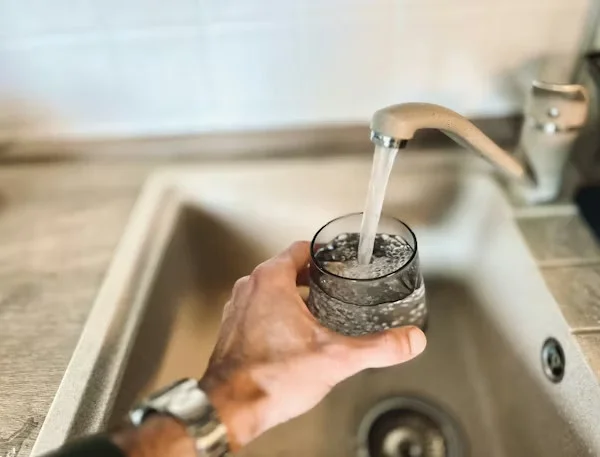
Most homeowners treat the kitchen faucet as a source of guaranteed purity, assuming that municipal oversight ensures total safety. In reality, the water travelling from a treatment plant to your home traverses a complex network of aging infrastructure that can introduce a variety of invisible hazards.
While local utilities focus on meeting minimum legal requirements for bacteria, they often lack the technology to address emerging chemical threats, microplastics, and industrial runoff.
To bridge this gap, proactive residents are turning to the best water filtration system for home use to establish a private line of defense. By treating water at the point where it enters the property, you ensure that every drop used for drinking, bathing, and cleaning meets a standard of purity far beyond basic compliance.
Table of Contents
What is tap water, and how is it treated before reaching your home?
Tap water is water supplied through municipal systems and treated to meet regulatory safety standards. Treatment processes typically include disinfection, filtration, and chemical balancing.
What tap water treatment removes:
- Harmful bacteria and pathogens
- Large particles and debris
- Some chemical contaminants
What tap water may still contain:
- Chlorine or chloramines (used for disinfection)
- Trace metals from pipes
- Dissolved minerals (hard water)
- Disinfection byproducts
Tap water is designed for public safety at scale, not for personalized water quality in individual homes.
What is filtered water, and how does it improve water quality?
Filtered water is tap water that has undergone additional treatment at the point of use or at the point of entry. This process removes remaining impurities that municipal systems do not fully eliminate.
Common filtration methods include:
- Activated carbon filtration for chlorine and odor
- Sediment filtration for particles and rust
- Catalytic carbon for chloramines
- Optional softening for mineral reduction
Filtered water improves:
- Taste and smell
- Clarity and consistency
- Overall usability across the home
The goal is not just safety, it’s optimization.
How does tap water compare to filtered water in everyday use?
The differences between tap and filtered water become more noticeable in daily routines.
Filtered water delivers a more controlled and predictable experience across all uses.
Why does tap water affect your skin, hair, and home appliances?
Tap water often contains chlorine and minerals that interact with your body and surfaces.
Effects on skin and hair:
- Chlorine strips natural oils
- Hard water leaves residue
- Hair becomes dry and brittle
- Skin feels tight or irritated
Effects on appliances:
- Scale buildup reduces efficiency
- Heating elements wear out faster
- Pipes accumulate mineral deposits
Filtered water reduces these stressors, improving both comfort and system performance.
What are the hidden limitations of basic tap water filtration methods?
Many homeowners rely on pitcher filters or faucet attachments. These improve drinking water but don’t address whole-home exposure.
Limitations of basic filters:
- Treat only one tap
- Do not remove minerals effectively
- Have limited capacity
- Require frequent replacement
Water impacts more than drinking. It affects showers, laundry, and appliance areas that basic filters don’t cover.
How does the best water filtration system for home solve these problems?
The best water filtration system for home treats water at the entry point, ensuring every outlet receives filtered water.
Key features of effective systems:
- Multi-stage filtration for different contaminants
- High-flow design to maintain pressure
- Long-lasting filter media
- Optional mineral control (softening)
What this approach solves:
- Chlorine and chemical exposure
- Sediment and particle buildup
- Hard water scaling
- Inconsistent water quality
This system-wide approach eliminates the need for multiple small filters.
When should homeowners consider switching from tap water to filtered water?
Certain signs indicate that tap water quality is affecting your home.
Common indicators:
- Noticeable chlorine taste or smell
- White residue on fixtures
- Dry skin or brittle hair
- Cloudy dishes or glassware
- Frequent appliance maintenance
If these issues appear, upgrading to whole-home filtration provides a long-term solution.
What are the long-term benefits of choosing filtered water over tap water?
Filtered water improves both daily comfort and long-term efficiency.
Benefits include:
- Better hydration due to improved taste
- Healthier skin and hair
- Reduced maintenance costs
- Longer appliance lifespan
- Cleaner cooking and food preparation
These benefits compound over time, making filtration a practical investment rather than a short-term fix.
Why modern homeowners are prioritizing water quality alongside air and energy efficiency
Homeowners now view water as part of a broader wellness and efficiency strategy.
Modern homes focus on:
- Clean air systems
- Energy-efficient appliances
- Smart home technology
- Water quality optimization
Filtered water fits naturally into this ecosystem by improving both health and infrastructure performance.
Conclusion: Why understanding tap vs filtered water helps you make smarter home decisions
Tap water meets safety standards, but it doesn’t always meet the needs of modern households. Residual chemicals, minerals, and contaminants affect how water performs in daily life.
Filtered water improves quality at every level, from drinking and cooking to bathing and appliance use. Investing in the best water filtration system for home ensures consistent, reliable water throughout your household.
As homeowners prioritize comfort, efficiency, and long-term value, water filtration is no longer optional. It’s a foundational upgrade that supports both health and home performance.