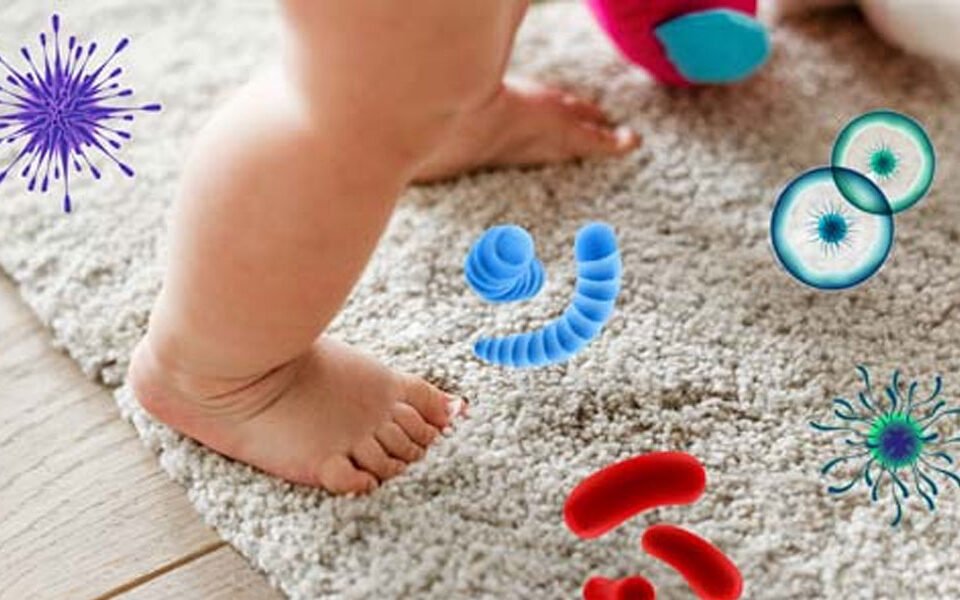
You spend a lot of time on your carpet. You walk on it, lie on it, and even eat over it sometimes. But how often do you think about what’s in it?
Let’s be honest. What you can’t see can hurt you or, at the very least, make you sneeze, sniffle, and wonder what exactly you’re walking barefoot on.
You’re in luck, though, because we bring you some tips to keep your carpets in great shape. You’ll get a healthier home and carpets that last without breaking a sweat.
Table of Contents
Use a High-Quality Vacuum Cleaner
Let’s start with the basics: If your vacuum is more decorative than functional, it’s time for an upgrade.
For the best results, go for one with a HEPA filter, since it’s designed to trap even the tiniest particles, which is great news for your lungs and your sinuses.
Don’t just do a quick lap around the room and call it a day, though. Dust usually hides in corners and those areas under furniture that we usually forget about. So, clean those areas properly, and you’ll stop buildup before it starts.
Generally speaking, you should vacuum at least twice a week, especially in high-traffic zones. And make sure your machine has decent suction. If it sounds like it’s working but your carpet still looks suspiciously fuzzy, it’s not doing its job.
Just don’t forget to get your vacuum serviced regularly, because a clogged filter or a tired motor won’t cut it.
Steam Clean Regularly
Vacuuming is great, but at some point, you’ll need to give your carpet a deep clean, the kind that goes beyond surface fluff and tackles the bacteria hiding below.
That’s where steam cleaning comes in. It uses hot water vapour instead of harsh chemicals to kill bacteria, loosen grime, and lift allergens right out of the fibres.
Most house carpet cleaning pros recommend a steam clean every three to six months, depending on how much action your rug sees. So, if you have kids, pets, or a habit of eating snacks on the floor, go for the shorter end of that range.
Don’t own a machine? No problem. You can rent one, borrow one, or even call in a service.
Before you start, spot-treat any tough stains. And whatever you do, don’t leave your carpet damp. Mould thrives in soggy rugs, so crack a window, run a fan, or turn on the air conditioner to dry it well.
Apply Baking Soda
If your carpet smells a bit lived in, it’s time to bring out bicarb. This kitchen staple absorbs moisture, which makes life harder for bacteria hiding in the fibres.
To use it, sprinkle a generous layer across the carpet and let it sit for at least 15 minutes. Got time to spare? Leave it overnight for better results, and once it’s done its job, vacuum the area well.
You can also mix in a few drops of essential oil, like lavender, lemon, or eucalyptus, for a fresh scent that doesn’t come from a spray can.
It’s cheap, non-toxic, and safe on most carpet types. So, try doing this once a week, especially in high-traffic areas. Your nose and your guests will thank you.
Use Carpet Protectors and Mats
Want to keep your carpet looking fresh without constantly scrubbing it? Mats and protectors are your secret weapon. Pop them by the doors and in busy areas like hallways or near the kitchen to catch dirt before it spreads.
Just don’t forget to clean the mats themselves every once in a while. A filthy doormat is just a stylish dirt delivery service.
You can also add plastic protectors under furniture to stop those heavy items from leaving dents or scuffing up the fibres.
Sure, they’re not going to win any design awards, but they’ll save you money on deep treatments and keep your carpets in better shape for longer. It’s the kind of behind-the-scenes support your carpets deserve.
Treat Stains Immediately
Whether it’s coffee, curry, or muddy paw prints, you won’t be able to avoid stains forever. However, the longer you wait, the deeper the stain will set and the harder it will be to get out.
Worse still, those spills can invite bacteria and smells that no one wants lingering in their living room.
Whatever you do, don’t scrub the smudge. It might feel satisfying, but it’ll push the stain further into the fibres. Instead, blot the area gently with a clean cloth or paper towel.
You can get rid of most everyday marks with water and mild dish soap. On the other hand, if you’ve pets, a specialised enzyme cleaner is your best bet. These are built to break down the proteins in urine and stop odours from coming back.
After you apply your treatment, just make sure the area dries completely, because you don’t want to add mould to the mix.
Spills are stressful enough, so keep a kit on hand. This way, you can get straight to damage control instead of Googling stain hacks while wine sinks into your carpet.
Try Antimicrobial Cleaners
Dish soap is great at removing surface stains, but when it comes to bacteria, you’ll need an antimicrobial cleaner that actually sanitises the fibres.
These products are designed to stop bacteria in their tracks and prevent them from making a comeback.
To find these choices, you’ll need to hit up a cleaning supply store or order online instead of visiting your local Woolies. Luckily, suppliers like Whyte’s have these antimicrobial carpet cleaners in stock, so you won’t have to search for long.
And if you’re trying to keep things eco-friendly, there are plenty of green options out there that don’t include harsh chemicals but still get the job done. Just make sure you pick one that’s safe for your carpet type, because ‘disinfected’ shouldn’t mean ‘discoloured.’
Limit Moisture
Moisture is your carpet’s worst enemy, second only to red wine and muddy boots. Left unchecked, it invites mould, bacteria, and suspicious smells you won’t be able to pin down until it’s too late.
After cleaning, open your windows or run a fan to help your carpet dry faster than mould can take hold. Also, if you live in a humid climate or your home tends to trap moisture, get a dehumidifier to keep things in check.
Leaks, condensation, and steamy rooms can all raise moisture levels as well, so stay alert and fix issues as soon as they crop up. And if humidity is a constant battle, you can switch to moisture-resistant fabrics that don’t trap water like a sponge.
Conclusion
You don’t need a full weekend or a motivational podcast to get started, so don’t wait for bacteria to hold a housewarming party.
Just pick a tip, set a timer, and go for it. Your future self is already planning a celebratory barefoot dance.