Children and seniors are among the most vulnerable groups when it comes to accidents. While they are at opposite ends of the age spectrum, both face unique physical, cognitive, and environmental challenges that increase their risk of injury. Children are still developing coordination and judgment, while seniors may experience reduced mobility, balance, or sensory awareness. In everyday environments—homes, schools, public spaces, and tourist areas—these vulnerabilities can turn minor hazards into serious incidents. Understanding why children and seniors face higher accident risks is essential for prevention, safer design, and better protection for those most at risk.
Table of Contents
Developmental and Physical Limitations Increase Vulnerability
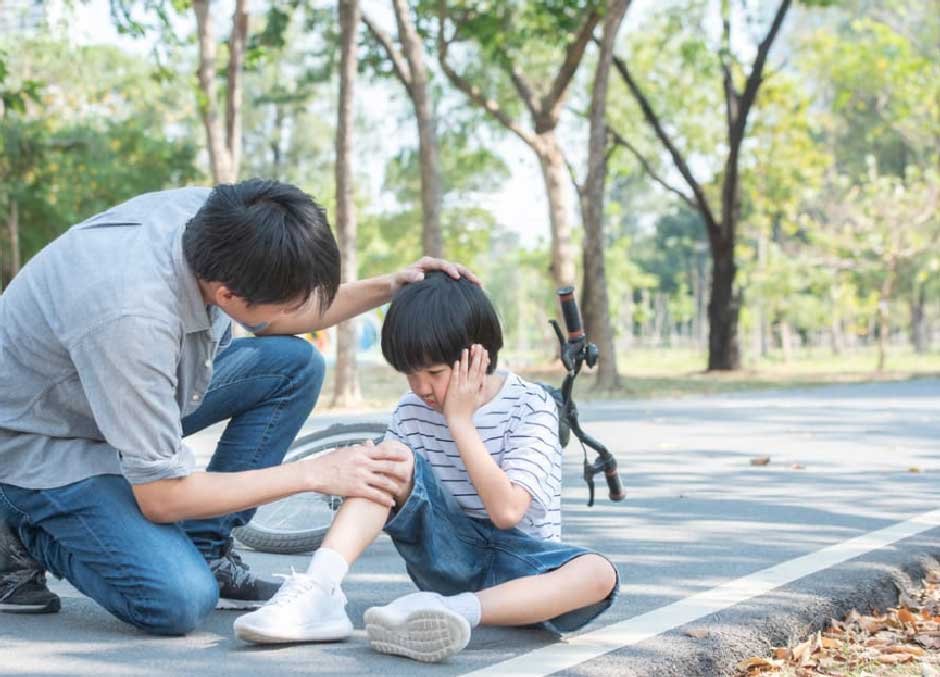
Children are still developing basic motor skills, balance, and spatial awareness. Running, climbing, and exploring are natural parts of childhood, but they often come with limited understanding of danger. This combination makes children more likely to trip, fall, or collide with objects in both familiar and unfamiliar environments.
Seniors, on the other hand, may experience muscle weakness, reduced flexibility, slower reaction times, or chronic health conditions that affect movement. Tasks that seem simple—like stepping off a curb or navigating stairs—can pose significant challenges. When physical limitations intersect with environmental hazards, the risk of accidents increases substantially.
Preventing injuries requires recognizing these limitations and adapting spaces accordingly. Safer surfaces, supportive design features, and supervision help reduce risks for both age groups.
Higher Risk of Serious Head and Brain Injuries
When accidents occur, children and seniors are more likely to suffer severe consequences—especially head and brain injuries. Children have developing brains and softer skull structures, making them more susceptible to traumatic injury from falls or impacts. Seniors are at higher risk due to balance issues and the likelihood of falling from standing height without the ability to break the fall effectively.
In more severe cases, families may seek guidance from a Las Vegas brain injury lawyer to better understand the long-term impact and responsibilities involved. From a safety standpoint, prevention is critical because brain injuries can lead to lasting cognitive, emotional, and physical challenges.
Protective measures such as handrails, non-slip flooring, supervision, and clear hazard warnings significantly reduce the risk of head-related injuries in both children and older adults.
Reduced Awareness of Environmental Hazards
Children often lack the experience needed to recognize unsafe conditions. They may not notice uneven flooring, sharp edges, or moving equipment and may not understand warning signs or verbal instructions fully. Curiosity can override caution, especially in stimulating environments.
Seniors may also struggle with hazard awareness due to declining vision, hearing, or cognitive processing. Low lighting, visual clutter, or background noise can make it harder to detect dangers in time to react safely.
Improving hazard visibility is key. Clear signage, proper lighting, and simplified layouts help both children and seniors better understand their surroundings and avoid accidents before they happen.
Slower Reaction Time and Balance Challenges
Quick reactions are often needed to prevent falls or avoid sudden obstacles. Children may react impulsively rather than safely, while seniors may react too slowly due to age-related changes in reflexes and balance.
For seniors, balance-related accidents are especially dangerous. A single misstep can lead to falls resulting in fractures, head injuries, or loss of independence. Children, while generally more resilient, can still suffer serious injuries when they cannot stabilize themselves during a fall.
Prevention strategies include stable walking surfaces, grab bars, handrails, and environments designed to minimize sudden changes in elevation. Encouraging deliberate movement rather than rushing also helps reduce risk.
Dependence on Others for Supervision and Assistance
Children rely heavily on adults to create safe environments and intervene when risks arise. When supervision is inconsistent or environments are not child-friendly, accidents become more likely. Play areas, schools, and public spaces must account for children’s tendency to explore without caution.
Many seniors also depend on others, particularly in unfamiliar environments. Lack of assistance when navigating stairs, crowds, or uneven surfaces increases injury risk. When support systems fail—such as missing staff assistance or poorly designed spaces—vulnerability increases.
Consistent supervision, accessible assistance, and thoughtful environmental design play a major role in reducing accidents for both groups.
Increased Impact From Everyday Accidents
What might be a minor incident for a healthy adult can have serious consequences for a child or senior. A simple fall can lead to developmental setbacks in children or prolonged recovery and complications in seniors.
Children may miss school or experience emotional trauma, while seniors may face reduced mobility, loss of independence, or long-term health decline. Recovery times are often longer, and complications are more common.
This heightened impact makes prevention especially important. Reducing exposure to hazards protects not just physical safety but long-term quality of life.
Importance of Age-Inclusive Safety Design
One of the most effective ways to reduce accident risks is through age-inclusive design. Spaces that are safe for children and seniors tend to be safer for everyone. Features like non-slip flooring, gradual ramps, clear signage, adequate lighting, and protected edges benefit all age groups.
Safety planning should consider how different people move, see, and react. When environments are designed with the most vulnerable in mind, overall accident rates decrease.
Creating safer spaces isn’t about limiting activity—it’s about enabling children and seniors to participate confidently without unnecessary risk.